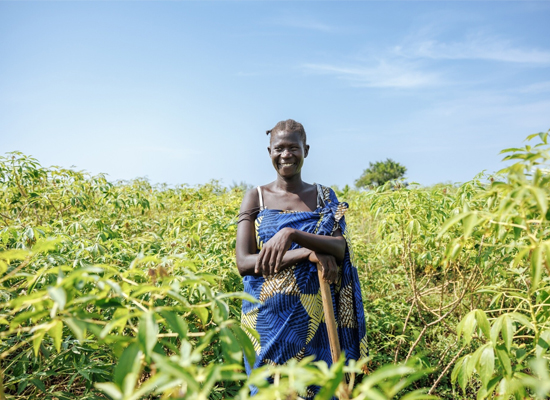
CEMA works at the intersection of humaritarian response and long-term development to ensure that displaced populations, especially refugees, women and youth are only protected but empowered as agents of change in their communities
In Uganda
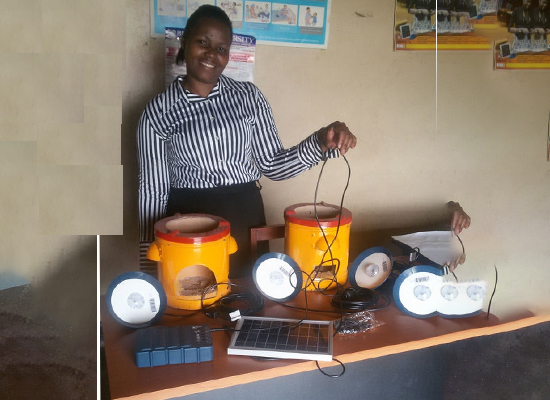
According to UNHCR, each individual in Uganda’s refugee community is estimated to consume up to 1.6 kg of firewood per day, compared with host community members who consume up to 2.1 kg per day. CEMA promotes the use of alternative energy sources such as fuel-efficient cookstoves and solar technologies, supporting reforestation and agroforestry programs, and training both refugees and host communities in sustainable land management practices
33,000Goal
1,700Reached
CEMA identifies and addresses
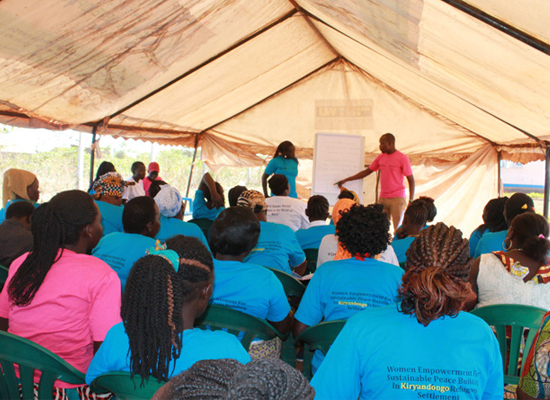
Through community forums, mediation sessions, and joint capacity-building workshops, CEMA empowers local leaders and residents to resolve disputes constructively, build trust, and create a shared vision for sustainable and peaceful community development
33,000Goal
1,700Reached
In Uganda,
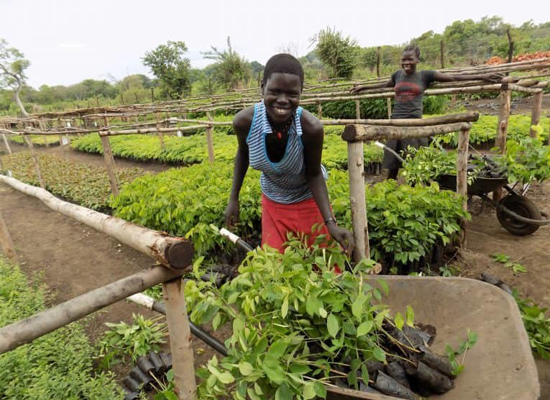
Refugees and host communities have experienced extreme weather events, particularly floods and droughts, with inadequate infrastructure to cope. CEMA advocates for refugees and host communities’ equal access to resources, services, and opportunities in climate resilience and adaptation. CEMA also implements initiatives that integrate refugee needs into climate resilience programs in host communities.
33,000Goal
1,700Reached
The Environmental Information and Advocacy (EIA) Programme strengthens access to credible environmental information and promotes accountability through evidence-based advocacy by supporting journalists, civil society actors, and communities to access, analyze, and use environmental data to influence policy, enforcement, and public awareness. It aims to improve access to reliable environmental information, promote transparency and accountability among responsible institutions, support public interest environmental journalism and storytelling, and strengthen advocacy efforts for sustainable environmental governance. Key activities include environmental data collection, analysis, and dissemination; public awareness campaigns and advocacy initiatives; policy engagement with government institutions; capacity building for journalists and civil society organizations; and the development of environmental information tools and platforms.
33,000Goal
1,700Reached
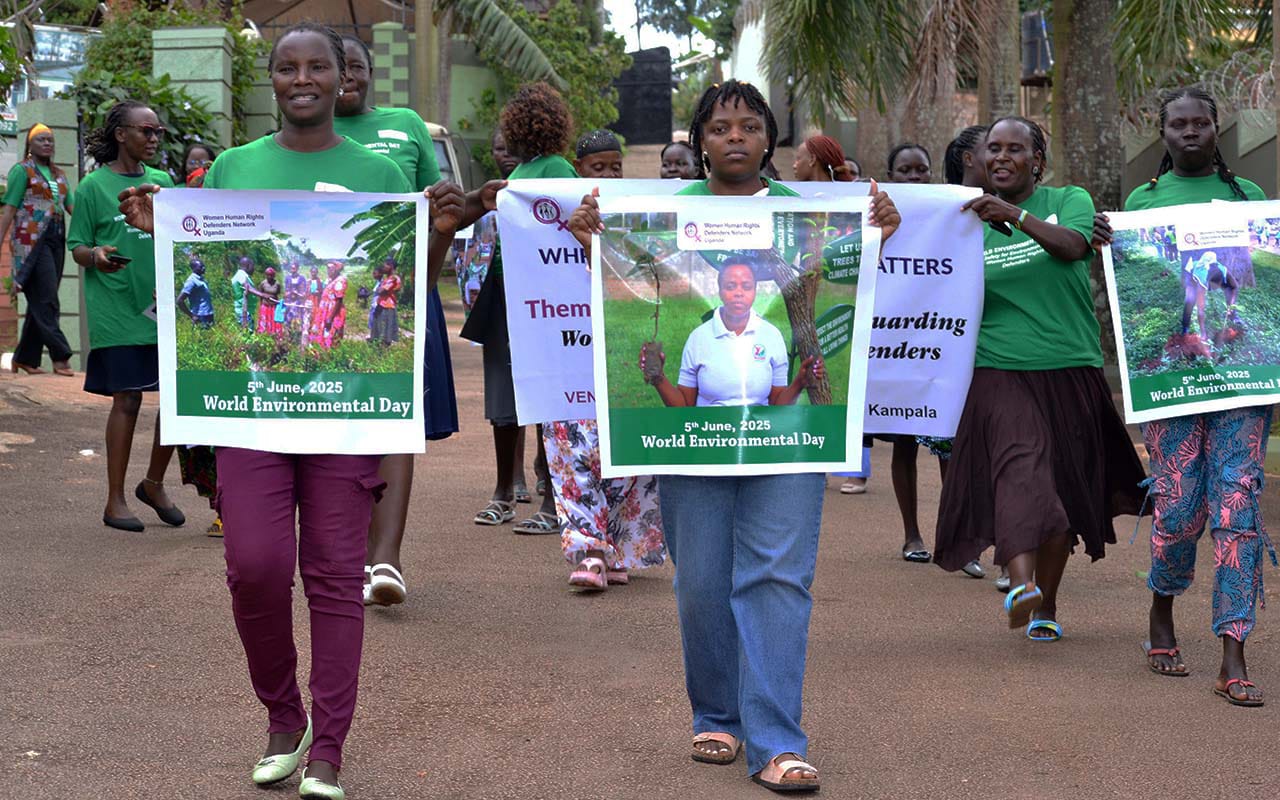
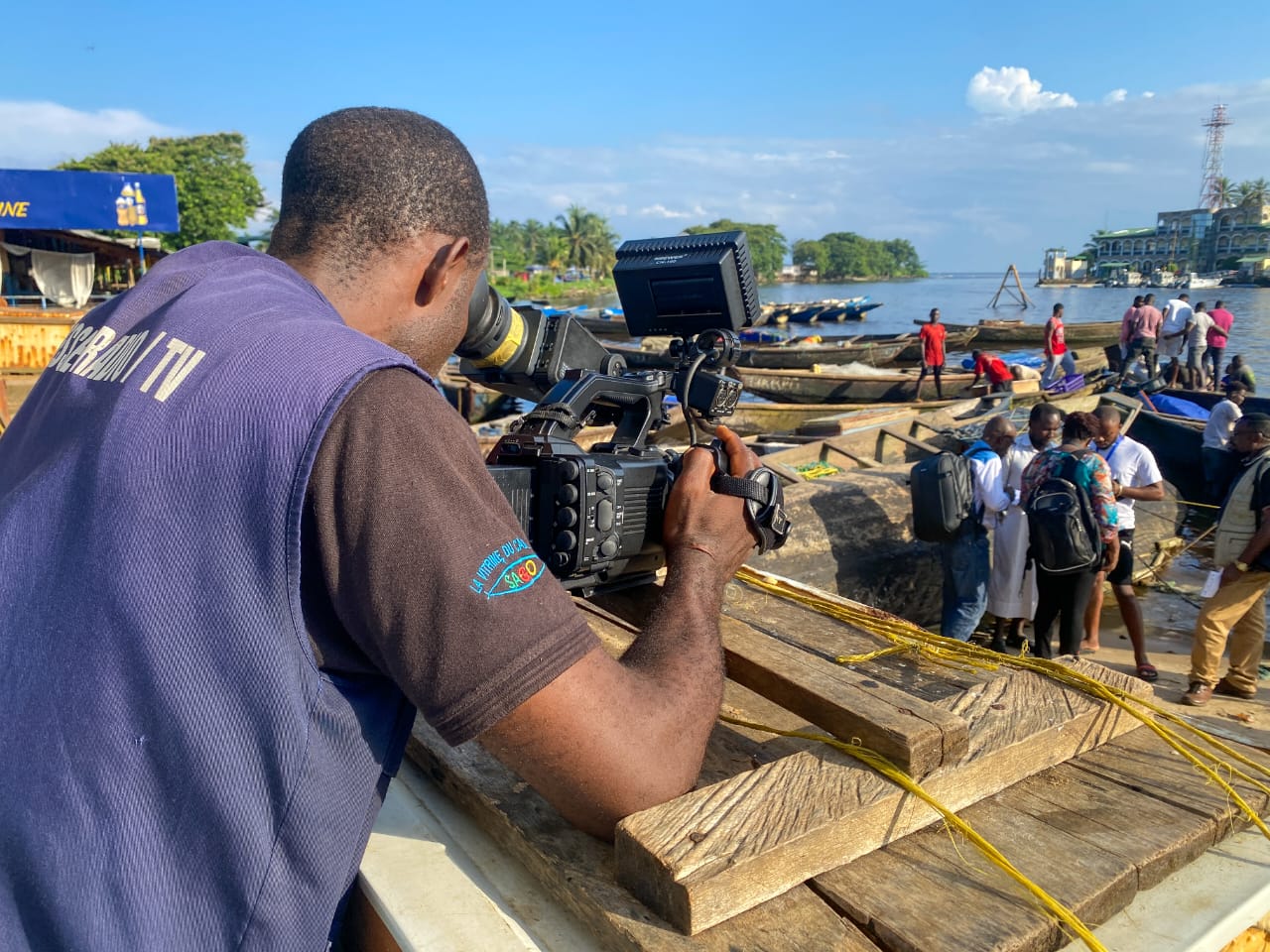
This programme strengthens the capacity, safety, and effectiveness of environmental journalists by providing technical support, training, protection monitoring, and professional development opportunities. It aims to enhance the quality and quantity of environmental reporting, strengthen safety and protection mechanisms for journalists, promote ethical and gender-responsive environmental journalism, and support investigative and public interest reporting. Key activities include training and mentorship programmes for journalists, safety and protection monitoring and documentation, coordination of legal and emergency response support, provision of fellowships and reporting grants, and facilitation of networking and collaboration platforms.
33,000Goal
1,700Reached
Advocacy and Awareness
Our Refugee Support and Protection program collaborates with public and private actors to improve migration policies that safeguard the rights of refugees and IDPs.
33,000Goal
1,700Reached